

Makoko – Where Life Floats
The Makoko floating community, located on the Lagos Lagoon in Nigeria, illustrates extraordinary resilience and adaptation. For many, Makoko is synonymous with hardship, but beneath the surface lies a vibrant culture defined by strength and creativity. Daily life in the Makoko floating community, a place built entirely on water, showcases how residents continuously innovate to overcome challenges, making the community a remarkable example of perseverance and hope.
Understanding the Makoko Floating Community
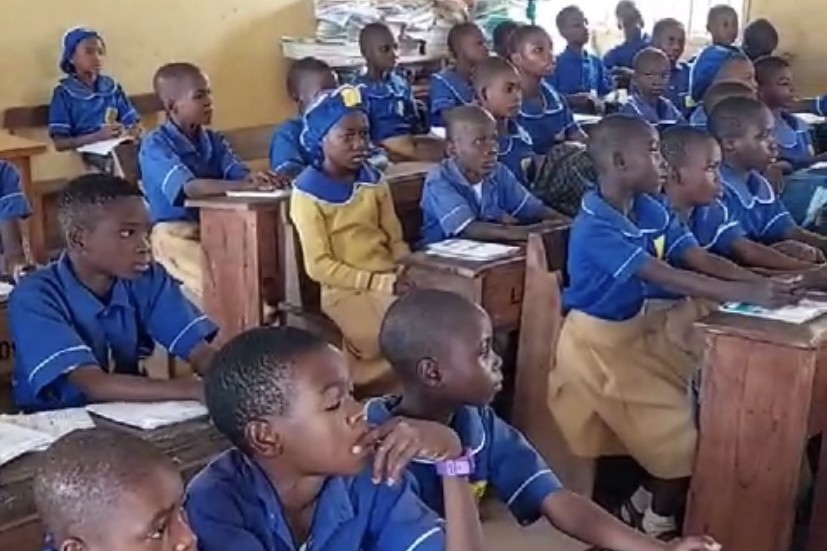
Makoko is a floating community where houses are constructed on wooden stilts above the water, and canoes serve as the primary means of transport through its maze-like waterways. This unique urban ecosystem appears chaotic to outsiders, but for residents, it is a thriving society carefully attuned to its floating reality. Each morning, Makoko’s people head out in fishing boats, mothers prepare local fish over open fires, and children navigate watery streets to attend informal, community-led schools or play with friends along wooden walkways. Here, water forms the foundation of livelihood, daily rhythms, and even risk.
Community solidarity is the heart of Makoko’s daily life. Residents make the most of their knowledge of the lagoon, supporting neighbors and crafting opportunities that transform adversity into innovation. This collective determination highlights not only survival but an ongoing pursuit of dignity and progress in the face of limited resources and environmental challenges.
Innovation and Community Spirit in Makoko
Originating as a fishing village in the late 19th century, Makoko has grown alongside the city of Lagos, adapting constantly as urban land became scarce. The floating community now features interconnected neighborhoods, with many homes located entirely over water. Despite the absence of formal infrastructure, community thrives through a spirit of creativity and resourcefulness:
- Residents have constructed water pipes to provide access to clean water from neighboring regions.
- Local, self-run schools ensure children continue to learn and grow despite challenges.
- Markets bustle with fresh fish, produce, and essential goods brought safely by boat.
- Stilted places of worship foster spiritual growth and a sense of belonging among residents.
This self-organization is powered by the determination, creativity, and cooperation found within Makoko’s floating community, rather than by external intervention.
Education and the Iconic Floating School
Education is a pillar of life in Makoko. The Makoko Floating School, designed by visionary local architects to withstand the ever-changing water levels, stands as a symbol of hope and possibility. As a functional structure and architectural innovation, it represents community-led solutions amid adversity. Children regularly paddle to these makeshift schools, embodying their families’ deep commitment to learning and adaptation. This iconic school, and other informal educational efforts, emphasize the importance Makoko places on providing opportunities for its next generation.
Although resources remain limited, the community demonstrates that education is a source of stability, hope, and empowerment—showing how future leaders can emerge, regardless of circumstances.
Building Trust and Uplifting Makoko
Makoko’s interactions with outsiders are marked by caution and realism. While outside assistance is sometimes welcomed, long-lasting and effective change requires genuine trust and humility. Impactful partnerships arise from honest dialogue, patience, and a willingness to listen carefully, rather than imposing preconceived solutions. True advancement in the community is built upon mutual respect and recognition of the residents’ agency and ingenuity.
Makoko is not waiting to be saved.
It is asking to be understood.
The Lasting Significance of Makoko Floating Community
The community challenges outsiders to see beyond appearances and recognize the inner strengths that define its people. Progress is rooted in uplifting existing innovation, nurturing genuine relationships, and respecting the autonomy of the residents. Every day, families, children, and leaders contribute to the ongoing story of Makoko—one marked by adaptability, ingenuity, and a vision for a brighter future. In Makoko, hardship coexists with creativity and optimism, and the community continues to inspire by floating together toward better days.
Makoko Floating School – Wikipedia
Read next: Makoko today · Makoko emergency support · Support this work

Leave a Reply