Ask two people who work in aid what makes a charity effective and you will often get two different answers. One will point to scale: the ability to move supplies across borders, to raise money in a dozen countries, to respond within days of a disaster. The other will point to proximity: knowing the head teacher by name, knowing which family stopped sending their daughter to school, knowing what a delivery really costs in that particular street.
Both are right. They are simply good at different things.
What large international organisations do well
Size buys reach and it buys logistics. A large organisation can negotiate prices, move goods through customs, and keep working when a crisis outlasts the news cycle. It can afford specialists — nutritionists, engineers, lawyers — that no small group could employ. It can also absorb failure: if one programme does not work, the organisation survives to try again.
There is a second, quieter advantage. Large organisations are audited, published and compared. That scrutiny is uncomfortable, but it protects donors, and it slowly raises standards across the whole sector.
What small local organisations do well
A small organisation rooted in one place knows things that no survey captures. It knows that the classroom floods in July. It knows which shop sells exercise books at a fair price. It knows that a family will accept help with school fees but not a food parcel, because of pride, and it knows how to offer both without shaming anyone.
That knowledge is not sentimental — it is operational. It decides whether the help arrives at all, and whether it arrives in a form people can accept.
Small organisations also have short decision chains. When a community is displaced, the difference between help this week and help next month is often a single phone call rather than an approval process.
The honest weaknesses of both
Large organisations can arrive with a plan built somewhere else, spend heavily on the plan, and leave when the funding cycle ends. Small organisations can be fragile: one illness, one family emergency, and the work stops. Neither weakness is a scandal. Both are worth naming, because donors deserve to know what they are supporting.
Where we sit, and why
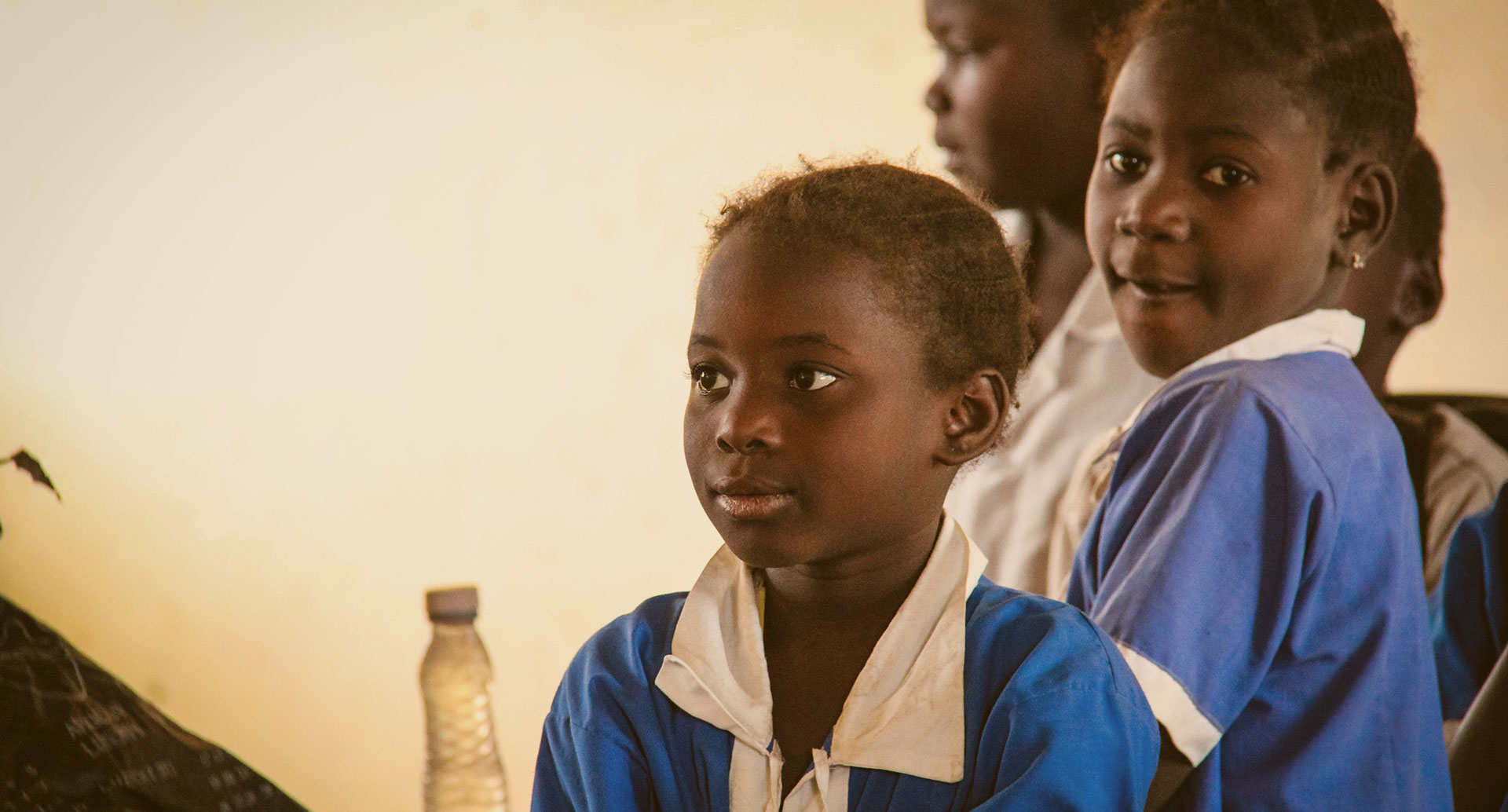
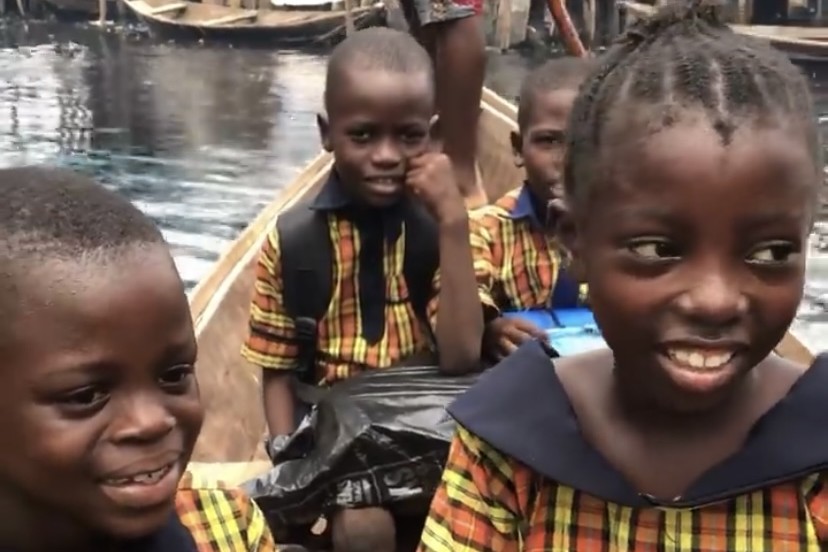
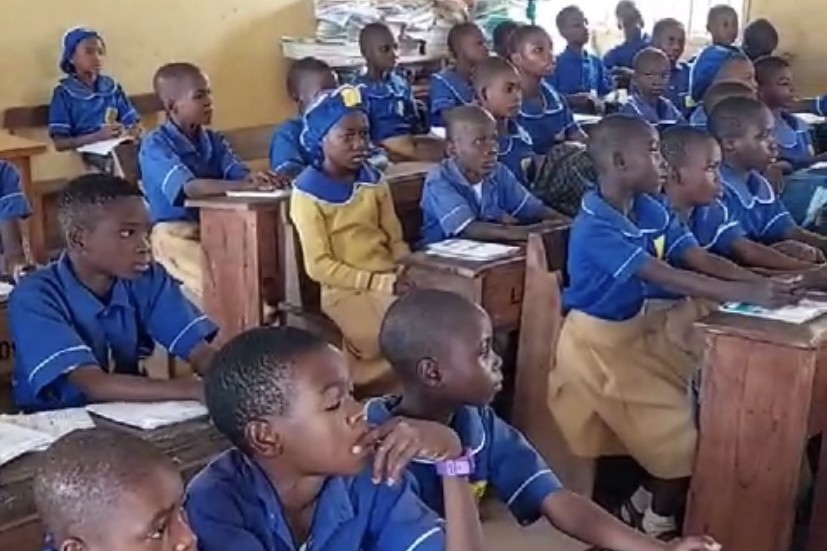
African Talents Foundation is small, and we work through relationships rather than around them. Our work runs through schools and community partners in Lagos State — among them Ikoga Senior Grammar School in Badagry and the Dream Team United Football Academy — because those institutions were already there, already trusted, and will still be there after any single campaign ends.
This is not a claim that local is always better. It is a claim about fit. A small organisation that tries to behave like a large one loses the only advantage it had.
What this means if you are choosing where to give
Do not choose by size. Choose by evidence. Ask what the organisation actually did last year, in which places, with whom. Ask who is accountable locally. Ask what happens to the work if the funding pauses. An organisation of any size that can answer those three questions clearly is worth your trust.
You can see our own answers on the campaigns page and in our frequently asked questions.
Leave a Reply